- Project Biohacking Newsletter
- Posts
- DSIP and Sleep: What the Research Tells Us That Most Coverage Misses
DSIP and Sleep: What the Research Tells Us That Most Coverage Misses
A closer look at delta sleep-inducing peptide and why researchers keep coming back to it

Jeffrey Nunn
March 20, 2026
Hey Biohackers,
If you read this week's post on DSIP, you already have the foundation. This issue goes one layer deeper into what the research actually shows and what remains genuinely uncertain.
Affiliate Disclosure: This newsletter contains affiliate links. When you purchase through these links using code PROBIO15, I may earn a commission at no additional cost to you. I only recommend vendors I personally use and trust.

Why Sleep Architecture Research Gets Complicated
Most discussions of sleep-related peptides focus on subjective outcomes like how long it takes to fall asleep or how rested someone reports feeling. DSIP research has historically taken a different angle.
Studies examining delta sleep-inducing peptide have focused on electrophysiological markers, specifically the relationship between the compound and slow-wave activity in sleep EEG recordings. That approach produces more precise data than self-report, but it also raises methodological questions that researchers have debated for decades.
The core finding from earlier research was that DSIP administration appeared to increase delta wave activity during non-REM sleep. The catch: replication has been inconsistent across species, dosing methods, and experimental contexts. That inconsistency is not a reason to dismiss the research. It is a reason to read it carefully.
The Mechanism Question
DSIP is a nonapeptide, meaning it consists of nine amino acids. It is naturally present in the hypothalamus and several other brain regions, and it has been detected in peripheral tissues as well.
What makes the mechanistic picture complicated is that DSIP does not appear to act through a single well-characterized receptor pathway the way that, for example, GHRH acts on growth hormone secretagogue receptors. The proposed mechanisms in published literature include effects on corticotropin release, interaction with opiate systems, and modulation of stress-related hormones. None of these are settled.
This is not a gap unique to DSIP. Many endogenous peptides have pharmacological profiles that took decades to clarify, and some are still being revised.
What Stress and Sleep Research Overlaps
One of the more consistent threads in DSIP literature is its apparent relationship with stress-regulated hormones. Several studies have noted that DSIP may influence ACTH and corticosterone levels, which connects it to the HPA axis that governs the stress response.
That connection matters for sleep research because cortisol dysregulation is one of the most documented factors in disrupted sleep architecture. Whether DSIP's effects on sleep are direct or downstream of hormonal modulation is an open question. Both could be true simultaneously.
Reading Research With the Right Frame
A pattern that comes up repeatedly in peptide research is the gap between animal model findings and human trial results. DSIP has been studied in both, but the human research is limited in sample size and scope compared to what would be needed for regulatory-grade conclusions.
That is not unusual for research-stage peptides. It does mean that claims about efficacy in human subjects should be treated as preliminary and not as established fact. The same standard applies to claims about safety at any dose range.
For researchers tracking this space, the relevant question is not whether the research is interesting. It is. The question is what level of evidence exists for specific claims, and whether the study design allows the conclusions being drawn from it.
BLOG HIGHLIGHT
From the Project Biohacking Research Library
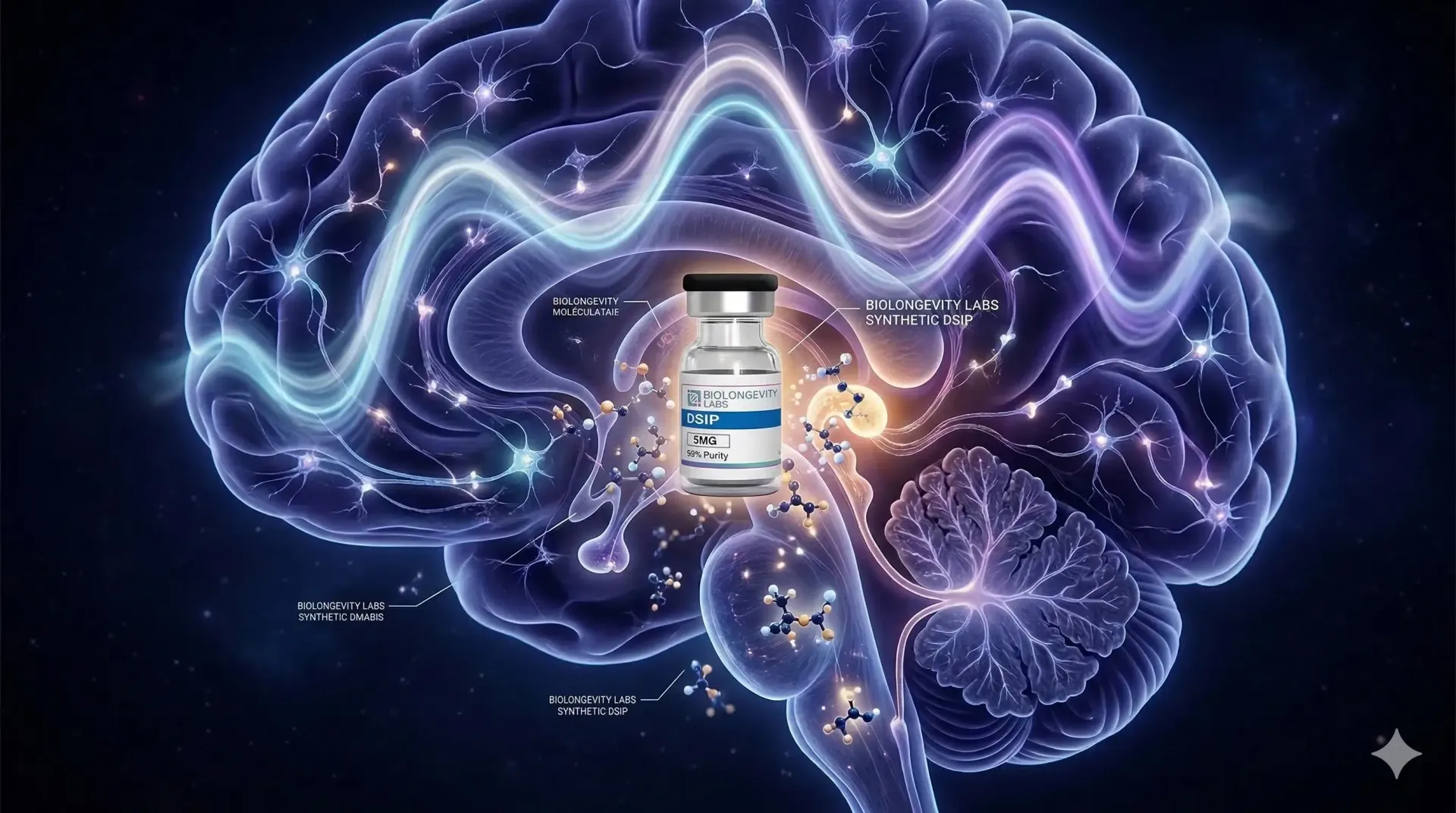
This issue extends the analysis in our full reference post on DSIP. The post covers mechanism, the existing study landscape, and what to look for when evaluating vendor quality for peptide research compounds.
Read it here:
Sourcing for Research Purposes
If you are actively researching DSIP or other sleep-related peptides, compound quality is a variable that affects any research outcome. BioLongevity Labs provides third-party tested research peptides with documented purity standards.
Browse their current catalog: BioLongevity Labs.

Modern life is inflammatory.
Chronic stress. Environmental toxins. Low-grade inflammation that quietly chips away at energy, focus, and long-term health.
BrocElite Plus delivers stabilized sulforaphane, one of the most researched plant compounds for cellular defense, detox support, and neuroprotection.
Sulforaphane activates your body’s internal antioxidant systems. It supports inflammation control. It strengthens detox pathways at the cellular level.
This is not another generic greens capsule. It’s targeted metabolic protection. If you care about resilience, cognitive longevity, and long-term health optimization, this belongs in your stack. Check out the link below and discover the magic of BrocElite Plus: |


Project Biohacking Resources
Some links may be affiliate links; I may earn a small commission at no extra cost to you. I only recommend vendors I use and trust, Biolongevity Labs!


👇🏻Lab Affiliatess👇🏻


Guides
🔚 Outro & Final Thoughts
The research on DSIP has been accumulating for over four decades. That longevity is worth something. It does not mean the questions are answered. It means the questions are worth asking.
Until next time, stay ahead of your age!
– Jeff
Founder, Project Biohacking
Affiliate & Earnings Disclosure
Project Biohacking participates in affiliate partnerships with select peptide vendors. When you make purchases through the links provided in this newsletter or use discount code PROBIO15, I may receive a commission at no extra cost to you.
These affiliate relationships do not influence my recommendations, I only promote products and vendors I personally use, have researched thoroughly, and believe provide value to the biohacking community. All opinions expressed are my own based on personal experience and research.
Your support through these affiliate links helps fund the research, testing, and content creation that makes Project Biohacking possible.
Disclaimer: I’m here to share what I’ve learned, not to replace your doctor. Always check with a qualified healthcare provider before trying anything new. And yes, peptides are often for research use only; please don’t turn your kitchen into a chemistry lab without supervision.