- Project Biohacking Newsletter
- Posts
- Most peptide stacks miss two-thirds of repair
Most peptide stacks miss two-thirds of repair
The cascade logic single-peptide protocols quietly skip.

Jeffrey Nunn
April 24, 2026
Hey biohackers,
Most people think of tissue repair as one process.
It isn't.
When your body rebuilds skin, heals a tendon, or walks back from chronic low-grade inflammation, it runs through three biologically distinct phases. Each phase has its own requirements. Each one depends on signaling molecules the body makes less of as it ages. And each one can be the bottleneck that determines whether repair finishes strong or stalls halfway.
Here's how the cascade actually works, and why the GLOW Blend was designed around covering all three stages rather than just one.
Affiliate Disclosure: This newsletter contains affiliate links. When you purchase through these links using code PROBIO15, I may earn a commission at no additional cost to you. I only recommend vendors I personally use and trust.

Phase one: the repair signal
Before anything rebuilds, the body has to issue the instruction. It has to flag the damage, dial up regenerative machinery, and modulate inflammation so repair can proceed instead of spinning in circles.
BPC-157 is the compound that operates most broadly here. A synthetic pentadecapeptide derived from a protein sequence found in human gastric juice, it has the most extensive preclinical research base of the three compounds in GLOW. It upregulates growth hormone receptors on tendon fibroblasts, modulates nitric oxide pathways, interacts with the vascular endothelial growth factor system, and demonstrates cytoprotective activity across multiple tissues. Its footprint spans connective tissue, gut mucosa, and systemic inflammatory signaling.
Without a strong repair signal, nothing else in the cascade has a reason to start.
Phase two: the infrastructure
A signal without infrastructure doesn't rebuild anything. Cells have to migrate to the damaged site. New blood vessels have to form to supply the emerging tissue. Without adequate angiogenesis and cellular mobility, tissue regeneration stalls no matter how loud the repair signal gets.
TB-500 is the infrastructure piece. It's a synthetic fragment of Thymosin Beta-4 corresponding to the actin-binding domain, which is the region responsible for its regenerative activity. By sequestering G-actin and controlling filament formation, TB-500 governs how cells move and where they position themselves during repair. Preclinical research supports its role in angiogenesis, wound closure, muscle and connective tissue regeneration, and cardiac tissue repair. It also crosses the blood-brain barrier in animal models, which has generated research interest in neuroprotective applications.
This is the stage most single-peptide protocols underserve, because the repair signal gets the attention and the infrastructure gets assumed.
Phase three: the remodeling
Even with a strong signal and adequate infrastructure, tissue that gets rebuilt isn't automatically durable tissue. Collagen has to be organized. The extracellular matrix has to be coherent. The quality of the rebuild depends on enzymatic balance and synthesis capacity at the fibroblast level.
GHK-Cu is the remodeling compound. It's a naturally occurring tripeptide complexed with copper ions, present in human plasma, saliva, and urine. It also declines measurably with age, which is part of why collagen homeostasis and skin density fall off over time. At the cellular level, GHK-Cu stimulates collagen and glycosaminoglycan synthesis, modulates matrix metalloproteinase activity, and carries anti-inflammatory and antioxidant properties. Research published in the International Journal of Molecular Sciences reports GHK-Cu appears to influence expression of over 4,000 human genes, with effects oriented toward restoring cellular function to healthier baselines.
The structural quality of repair, the difference between mediocre rebuild and durable rebuild, lives in this phase.
Why all three matters
Run the cascade through each compound in isolation and the logic becomes visible.
BPC-157 alone fires the repair signal and modulates inflammation, but cellular mobility and collagen remodeling aren't its primary lanes. The cascade runs into whatever ceiling the downstream phases happen to be capped at.
TB-500 alone builds the infrastructure and supports angiogenesis, but without broad repair signaling or remodeling support, the rebuild doesn't know where to aim or how to finish with quality.
GHK-Cu alone does remarkable work at the skin and matrix level, and the research base for topical and cosmeceutical GHK-Cu is the strongest of the three. But it can't substitute for the systemic repair signal BPC-157 brings, and it doesn't drive the angiogenesis TB-500 enables.
Each peptide is genuinely useful. None of them is the whole story.
The GLOW stack is built on this cascade logic
Biolongevity Labs' GLOW Blend (GHK-Cu, BPC-157, TB-500) at 70mg combines the three compounds with mechanistic complementarity as the design rationale, not benefit stacking. BPC-157 activates the repair signal and controls inflammation. TB-500 supports cellular mobility and vascular infrastructure. GHK-Cu handles remodeling and structural quality. Three compounds, three stages, one cascade.
One honest caveat: there are no published human clinical trials on this specific three-compound combination. The cascade logic is mechanistically coherent and consistent with how each peptide's individual pathways interact, but it's extrapolated from component-level research rather than confirmed head-to-head in controlled human trials. The evidence base is strong at the preclinical level and meaningfully thinner at the clinical level. Anyone approaching this stack should understand that clearly and work with a qualified provider.
What the stack offers is a mechanistically complete framework for a layered biological problem that single compounds, by their nature, can only partially address.
Where this leaves the question
Repair isn't one signal. It's a cascade. The stack that covers all three phases is the one built on that premise.

For the deeper research layer, including individual compound evidence, dosing frameworks, risks, and limitations, the full breakdown is on the blog:
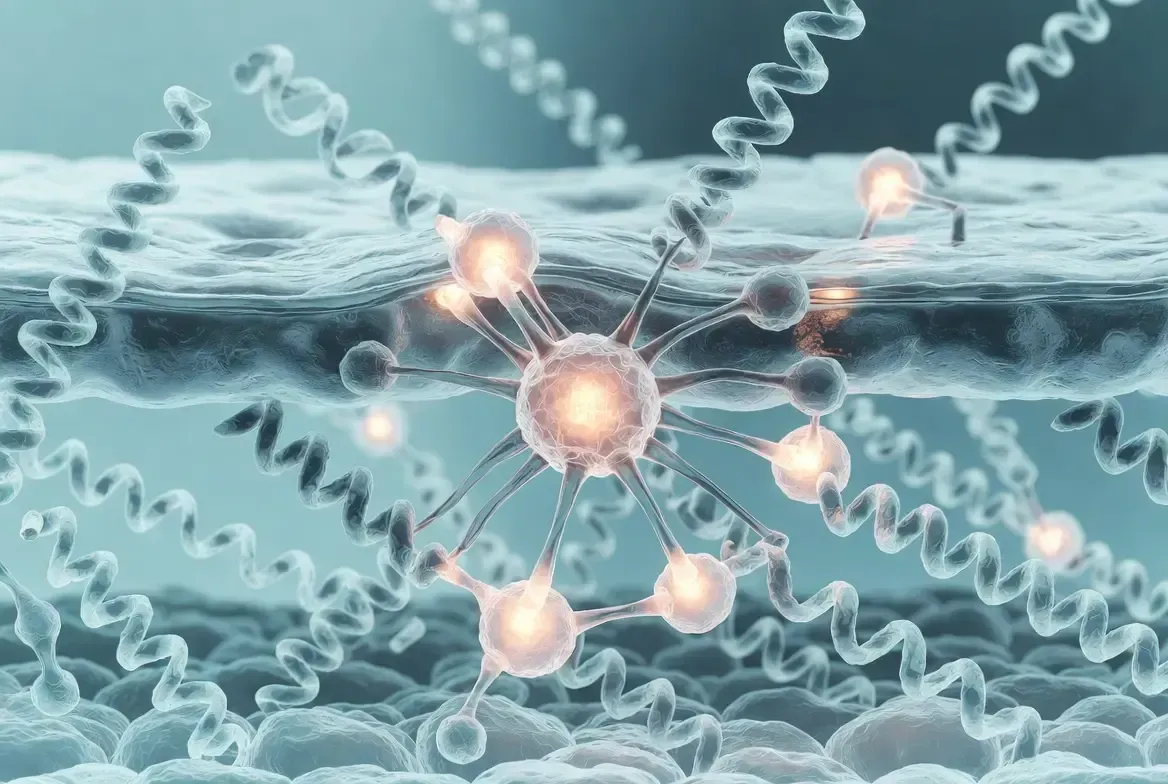
Modern life is inflammatory.
Chronic stress. Environmental toxins. Low-grade inflammation that quietly chips away at energy, focus, and long-term health.
BrocElite Plus delivers stabilized sulforaphane, one of the most researched plant compounds for cellular defense, detox support, and neuroprotection.
Sulforaphane activates your body’s internal antioxidant systems. It supports inflammation control. It strengthens detox pathways at the cellular level.
This is not another generic greens capsule. It’s targeted metabolic protection. If you care about resilience, cognitive longevity, and long-term health optimization, this belongs in your stack. Check out the link below and discover the magic of BrocElite Plus: |



Project Biohacking Resources
Some links may be affiliate links; I may earn a small commission at no extra cost to you. I only recommend vendors I use and trust, Biolongevity Labs!


👇🏻Supplements Affiliates👇🏻
Your body isn't broken — it's just been starved of the right nutrients. Clive de Carle's complete line of natural health essentials gives it exactly what it needs.
👇🏻Lab Affiliatess👇🏻


Guides
🔚 Outro & Final Thoughts
The weakest phase is the ceiling
Repair is only as durable as its weakest stage. Signal without infrastructure doesn't finish. Infrastructure without remodeling doesn't hold. That's the case for covering the full cascade instead of one slice of it.
Until next time, stay ahead of your age!
– Jeff
Founder, Project Biohacking
Affiliate & Earnings Disclosure
Project Biohacking participates in affiliate partnerships with select peptide vendors. When you make purchases through the links provided in this newsletter or use discount code PROBIO15, I may receive a commission at no extra cost to you.
These affiliate relationships do not influence my recommendations, I only promote products and vendors I personally use, have researched thoroughly, and believe provide value to the biohacking community. All opinions expressed are my own based on personal experience and research.
Your support through these affiliate links helps fund the research, testing, and content creation that makes Project Biohacking possible.
Disclaimer: I’m here to share what I’ve learned, not to replace your doctor. Always check with a qualified healthcare provider before trying anything new. And yes, peptides are often for research use only; please don’t turn your kitchen into a chemistry lab without supervision.