- Project Biohacking Newsletter
- Posts
- The peptide window women keep missing
The peptide window women keep missing
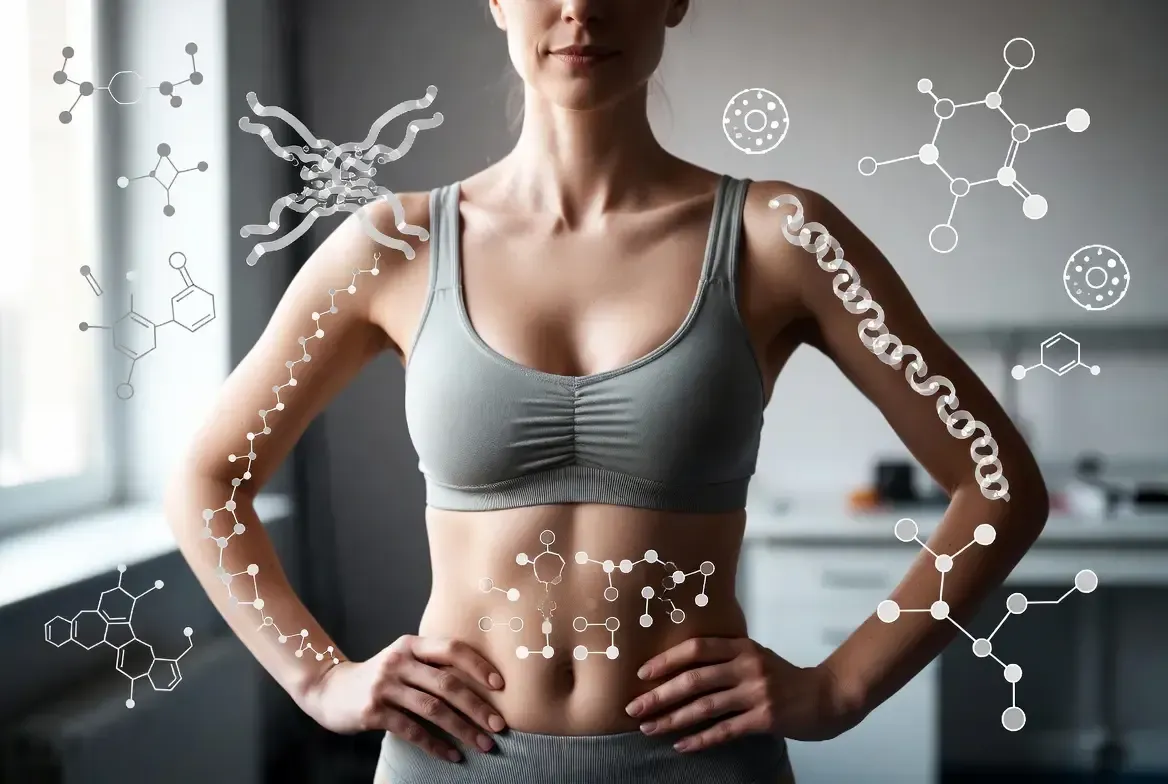
Estrogen drops, collagen crashes, and recovery slows. There's a narrower window than most women realize to do something about it.

Jeffrey Nunn
May 26, 2026
Hey biohackers,
Here's something almost nobody tells women about peptides.
Most of the protocols floating around online were built on male physiology. Same compounds. Same dosing logic. Same timelines. And then they get handed to women whose hormone cycles, body composition, and tissue maintenance work on completely different rules.
It's not that peptides don't help women. The research suggests they may help in some surprising ways. It's that the timing, the goals, and the compound selection should look different, and most people are figuring that out the hard way.
Let's get into it.
Affiliate Disclosure: This newsletter contains affiliate links. When you purchase through these links using code PROBIO15, I may earn a commission at no additional cost to you. I only recommend vendors I personally use and trust.

The collagen cliff nobody warns you about
Collagen production starts slipping in the late twenties. That part most women know. What they don't always know is what happens around perimenopause.
When estrogen falls, collagen doesn't just continue its slow decline. It accelerates. Skin gets thinner. Wound healing slows. Lines around the eyes and hands show up faster than the year before would have suggested.
This is the window where peptides like GHK-Cu enter the conversation. Copper peptides have been studied for fibroblast activity, collagen support, and skin healing. The mechanism is signaling, not supplementation. GHK-Cu tells skin cells what to do, rather than replacing what's been lost.
The research base for skin peptides is among the strongest in the entire peptide category. It's also where most women report seeing the fastest visible feedback, which matters when you're trying to figure out whether a protocol is actually working.
The hormone conversation people get wrong
Growth hormone secretagogues, sleep-supportive peptides, and bioregulators get lumped together in conversations about menopause. Then someone inevitably asks if peptides "replace" hormone therapy.
They don't.
Peptides like Sermorelin and Ipamorelin nudge the pituitary to release more of the body's own growth hormone. They don't replace estrogen. They don't replace progesterone. They influence pathways that overlap with what changes during perimenopause, including body composition, sleep depth, recovery quality, and skin texture. Different lever, different outcome.
This distinction matters because women sometimes start a peptide expecting it to fix what only hormone therapy can address. Or they avoid peptides entirely thinking they're some lesser version of HRT. Neither framing is accurate.
Recovery slows. Then it slows more.
Tendons stiffen. Bones thin. Soft tissue takes longer to bounce back from training. The injury that would have healed in three weeks at 32 now takes seven at 45.
This is where compounds like BPC-157 and TB-500 show up in the literature. The research is largely preclinical, with strong animal data and limited human trials. Women using these compounds tend to report results in tendon and ligament recovery, gut barrier integrity, and post-surgical healing.
It's also worth flagging that autoimmune conditions are more common in women. Thymic peptides like Thymosin Alpha-1 are an active area of immune-modulation research, though again, the human evidence is still maturing.
What this actually means for protocol design
A few things stand out when you map peptide research against female physiology:
Skin and tissue repair peptides have the strongest evidence base. GHK-Cu sits at the center of that conversation, with studies pointing toward collagen support, fibroblast activity, and wound healing.
Hormone-adjacent peptides require more caution. The endocrine system in women interacts with cancer risk, cardiovascular health, and metabolic disease in ways that make solo experimentation a poor idea. This is where working with a qualified provider matters most.
Foundations still drive most of the outcome. Sleep, protein, strength training, stress management. Peptides amplify what's already working. They don't rescue a chaotic baseline.
The narrower window
The reason this matters now rather than later is mechanical, not motivational. Tissue that hasn't thinned yet responds differently than tissue that already has. Hormone receptors that are still active respond differently than receptors that have downregulated. Skin in the years before significant collagen loss responds differently than skin five years after.
None of this is a guarantee. The research is still developing, individual response varies widely, and most peptides remain in research or off-label status. But the pattern across studies suggests that earlier engagement with these tools, alongside foundational health work and clinician oversight, tends to produce more durable outcomes than waiting until decline is already advanced.
This is educational only, not medical advice. Anyone considering peptide therapy should work with a qualified clinician who can review baseline labs, contraindications, and personalization based on your hormone profile.
If GHK-Cu is the compound you've been curious about, this is the version we use:

For the full breakdown of which peptides are most studied for women across skin, hormones, metabolism, mood, and recovery, including the specific compounds and the evidence behind each category:
Modern life is inflammatory.
Chronic stress. Environmental toxins. Low-grade inflammation that quietly chips away at energy, focus, and long-term health.
BrocElite Plus delivers stabilized sulforaphane, one of the most researched plant compounds for cellular defense, detox support, and neuroprotection.
Sulforaphane activates your body’s internal antioxidant systems. It supports inflammation control. It strengthens detox pathways at the cellular level.
This is not another generic greens capsule. It’s targeted metabolic protection. If you care about resilience, cognitive longevity, and long-term health optimization, this belongs in your stack. Check out the link below and discover the magic of BrocElite Plus: |



Project Biohacking Resources
Some links may be affiliate links; I may earn a small commission at no extra cost to you. I only recommend vendors I use and trust, Biolongevity Labs!


👇🏻Supplements Affiliates👇🏻
Your body isn't broken — it's just been starved of the right nutrients. Clive de Carle's complete line of natural health essentials gives it exactly what it needs.
👇🏻Lab Affiliatess👇🏻


Guides
🔚 Outro & Final Thoughts
The window for peptides in female physiology is narrower than most protocols admit, and the compound selection matters more than the dose. GHK-Cu sits at the center of the strongest evidence base, which is why it's usually where women start.
Until next time, stay ahead of your age!
– Jeff
Founder, Project Biohacking
Affiliate & Earnings Disclosure
Project Biohacking participates in affiliate partnerships with select peptide vendors. When you make purchases through the links provided in this newsletter or use discount code PROBIO15, I may receive a commission at no extra cost to you.
These affiliate relationships do not influence my recommendations, I only promote products and vendors I personally use, have researched thoroughly, and believe provide value to the biohacking community. All opinions expressed are my own based on personal experience and research.
Your support through these affiliate links helps fund the research, testing, and content creation that makes Project Biohacking possible.
Disclaimer: I’m here to share what I’ve learned, not to replace your doctor. Always check with a qualified healthcare provider before trying anything new. And yes, peptides are often for research use only; please don’t turn your kitchen into a chemistry lab without supervision.