- Project Biohacking Newsletter
- Posts
- Peptides Are Coming Back in 2026. Here Is What That Actually Means.
Peptides Are Coming Back in 2026. Here Is What That Actually Means.
FDA softening on peptides in 2026: signal or noise?

Jeffrey Nunn
April 06, 2026
Hey Biohackers,
If you have spent any time on peptide forums or wellness social media this year, you have seen the headlines. Peptides are coming back. The FDA is reversing course. Your favorite compounds are legal again.
The reality is more complicated, and the gap between those two versions matters for how you think about sourcing, protocols, and risk.
Here is what is actually happening.
Affiliate Disclosure: This newsletter contains affiliate links. When you purchase through these links using code PROBIO15, I may earn a commission at no additional cost to you. I only recommend vendors I personally use and trust.
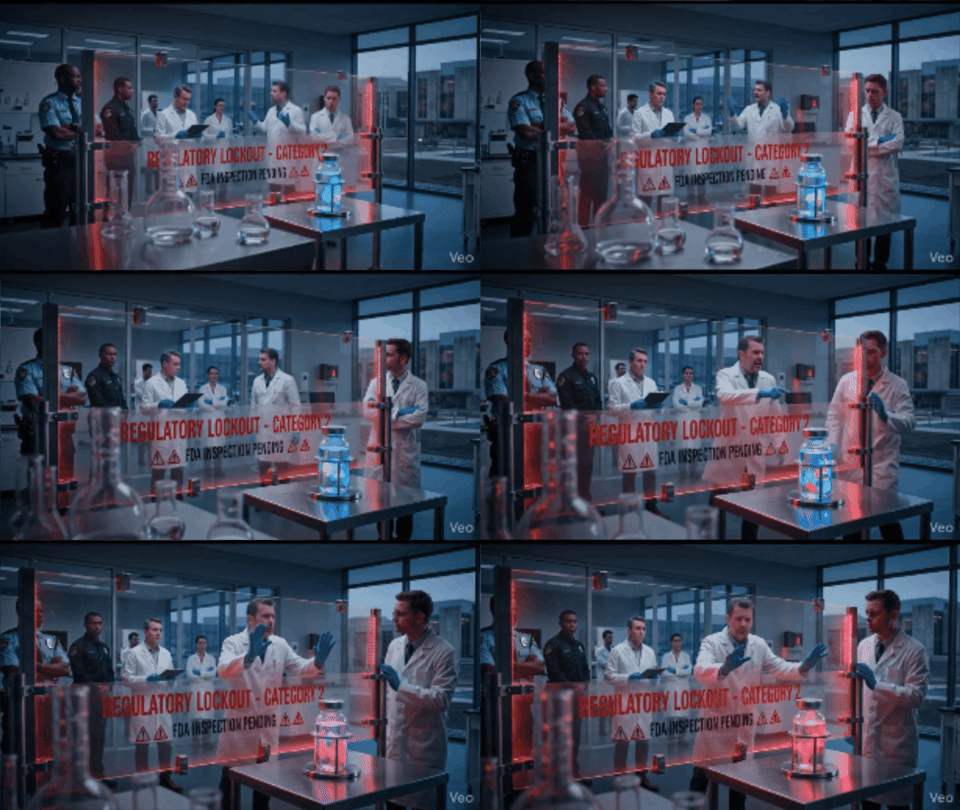
Category 2 Peptide and the FDA! (Peptide humor!)
What the FDA Did in 2023
In 2023, the FDA placed 19 peptides into what is called Category 2 on the bulk substances list. Category 2 is not a ban in the criminal sense, but it is effectively a lockout from the legitimate pharmacy channel. It means the agency identified significant safety concerns or insufficient data, and traditional compounding pharmacies could no longer prepare those compounds as routine prescription products.
The result was predictable. Clinics lost access overnight. Patients went online. The grey market expanded. Products with no quality controls and no medical oversight became the default option for people who had been getting these compounds through licensed channels.
What Is Changing in 2026
The new administration has made peptides a visible issue. Current HHS leadership has publicly signaled that the 2023 restrictions went too far, and roughly 14 of the 19 Category 2 peptides may be reclassified back to Category 1.
Category 1 is not FDA approval. It means the agency has enough information to allow compounding to continue while evaluation proceeds. That is a meaningful distinction. Compounding pharmacies would regain legal access to these compounds. But the molecules themselves have not changed, and neither has the evidence base underlying them.
The formal rulemaking is still in motion. Do not make protocol decisions based on viral clips or newsletter headlines, including this one. Watch official regulatory notices and pharmacy communications for confirmed timelines.
Why This Is Happening
Three forces are in play. First, politics. Peptides became a talking point in wellness and medical-freedom communities, and campaign commitments are now being cashed in. Second, access optics. Compounding and functional medicine groups argued, with some validity, that restricting licensed pharmacies did not make peptides disappear. It just made them harder to get safely. Third, regulatory tension. The FDA's mandate has not changed. Being asked to relax a stance without new clinical data puts the agency in a difficult position, regardless of the political pressure behind the ask.
The Part That Rarely Shows Up in the Marketing
When a peptide moves from Category 2 to Category 1, its safety profile does not improve. The unknowns that existed in 2023 exist today. Large, long-term randomized controlled trials for most of these compounds are still the exception. Mechanistic data and anecdotal experience are interesting, but they are not the same as robust clinical evidence.
Expanded compounding access is not the same as validation. Treat it like what it is: a structural change in who can make and dispense something, not a scientific finding about whether that thing is appropriate for you.
What This Means in Practice
Expect a slow thaw, not an overnight switch. Pharmacies need time to reestablish supply chains, validate processes, and update compliance documentation. Clinics that shut down their peptide programs in 2023 will not rebuild them in a week.
If you are a patient or self-experimenter, access through clinicians and licensed pharmacies will likely expand over the next 6 to 12 months. That does not change the experimental nature of what you are doing. Baseline labs, clear goals, defined timeframes, and exit criteria if things move the wrong direction still apply.
If you work with a clinician, the risk-management burden sits with them. Informed consent, documentation that this is off-label and experimental, and careful monitoring are not optional items just because compounding access is expanding.
BLOG HIGHLIGHT
For a deeper breakdown of how to evaluate peptide sources, vetting criteria, and what third-party testing actually tells you, the Project Biohacking resource library has the frameworks you need.

Project Biohacking Resources
Some links may be affiliate links; I may earn a small commission at no extra cost to you. I only recommend vendors I use and trust, Biolongevity Labs!

👇🏻Supplements Affiliates👇🏻

Your body isn't broken — it's just been starved of the right nutrients. Clive de Carle's complete line of natural health essentials gives it exactly what it needs.
👇🏻Lab Affiliatess👇🏻


Guides
🔚 Outro & Final Thoughts
Until compounding channels fully reopen, sourcing quality matters more than ever. The vendors in the Project Biohacking directory are vetted against third-party testing standards, not just marketing claims.
Until next time, stay ahead of your age!
– Jeff
Founder, Project Biohacking
Affiliate & Earnings Disclosure
Project Biohacking participates in affiliate partnerships with select peptide vendors. When you make purchases through the links provided in this newsletter or use discount code PROBIO15, I may receive a commission at no extra cost to you.
These affiliate relationships do not influence my recommendations, I only promote products and vendors I personally use, have researched thoroughly, and believe provide value to the biohacking community. All opinions expressed are my own based on personal experience and research.
Your support through these affiliate links helps fund the research, testing, and content creation that makes Project Biohacking possible.
Disclaimer: I’m here to share what I’ve learned, not to replace your doctor. Always check with a qualified healthcare provider before trying anything new. And yes, peptides are often for research use only; please don’t turn your kitchen into a chemistry lab without supervision.