- Project Biohacking Newsletter
- Posts
- The Legal Gray Zone of Research Peptides
The Legal Gray Zone of Research Peptides
What "not for human use" actually means, and why the answer is more complicated than vendors let on

Jeffrey Nunn
February 20, 2026
Hey Biohackers,
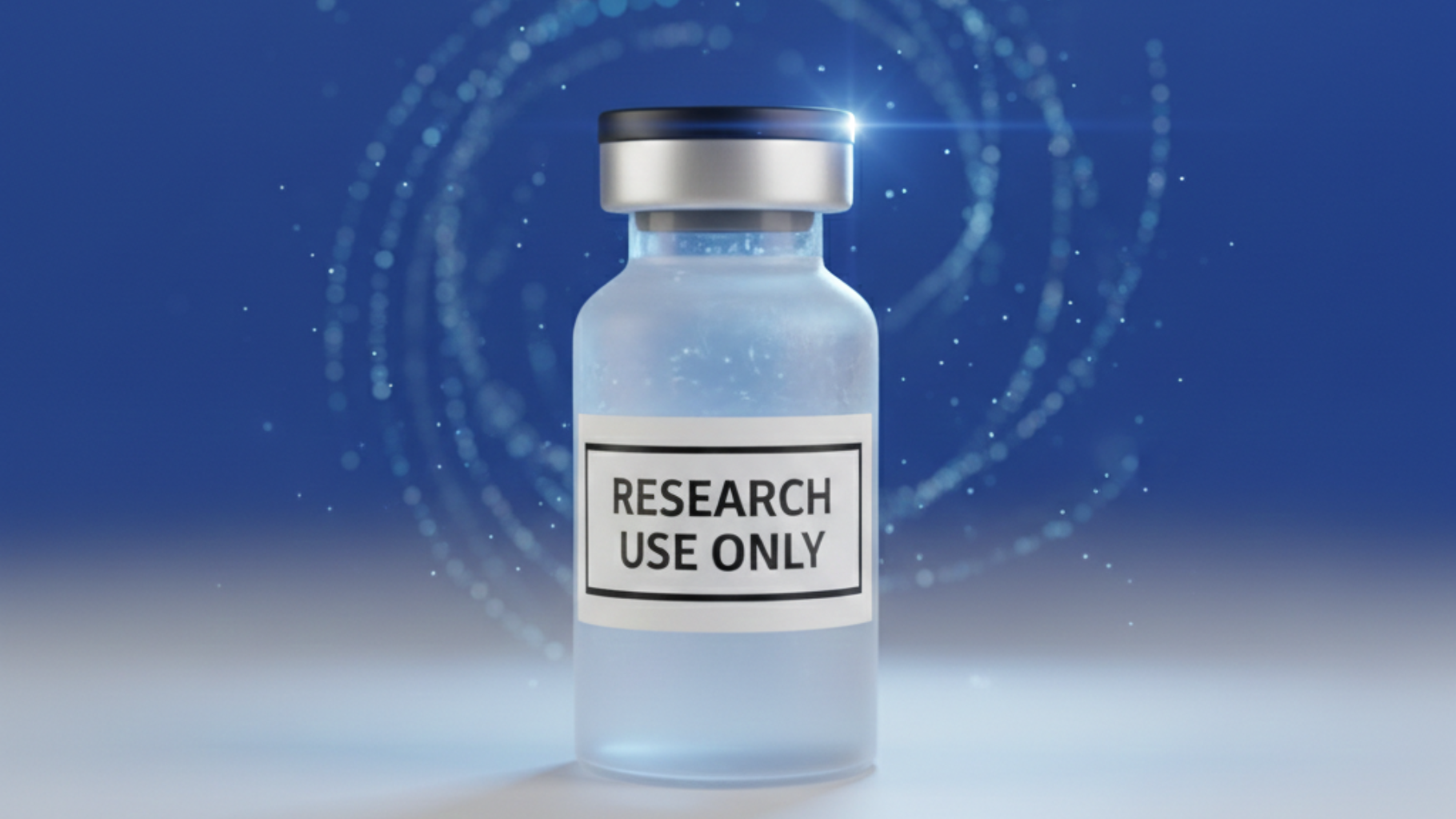
Every research peptide listing carries the same disclaimer: For research purposes only. Not for human use. Most buyers read past it. Almost none of them understand what it actually does — and does not — protect legally. Today we are getting into what that label really means, who it shields, and what it leaves unresolved for the people actually making purchasing decisions.
Affiliate Disclosure: This newsletter contains affiliate links. When you purchase through these links using code PROBIO15, I may earn a commission at no additional cost to you. I only recommend vendors I personally use and trust.

The label says one thing. The market says another.
Walk through any peptide vendor's site and you will find the same disclaimer stamped across every product page: For research purposes only. Not for human use.
Most buyers read past it. A few assume it is legal boilerplate with no real meaning. Almost none of them understand what it actually does and does not protect.
That gap is worth examining carefully.
What "research only" status actually establishes
The research peptide designation is not a regulatory category created to protect consumers. It exists because peptides sold explicitly for human use would require FDA approval through a formal drug application process, a process that costs years and significant capital, and one that no peptide vendor is positioned to complete.
Selling a compound as a research chemical sidesteps that pathway. The compound is framed as a laboratory reagent rather than a therapeutic, which means it can be manufactured and distributed without the clinical trial data, labeling requirements, or quality controls that pharmaceutical drugs must meet.
The vendor's liability exposure shifts. The buyer's does not.
Where the gray zone actually lives
The status of these compounds is not illegal in the straightforward sense most people assume. The more accurate description is that it is unresolved. Regulatory agencies have limited enforcement bandwidth and have historically focused on manufacturers and large-scale distributors rather than individual buyers.
That enforcement posture can change. It has changed in other compound categories before.
What makes the current moment worth paying attention to is that the research peptide market has grown substantially in visibility. Compounds that were obscure five years ago now have dedicated communities, widespread how-to content, and mainstream coverage. Increased visibility tends to draw regulatory attention over time.
What buyers are actually navigating
When you purchase a research peptide, you are making a decision inside a space where the rules are genuinely unsettled. The compound may be high quality or it may not be. There is no mandatory third-party testing requirement for research chemicals. The vendor may be operating in good faith or may not be. The legal interpretation of your purchase depends on jurisdiction, enforcement priorities, and factors that shift.
None of this means the decision is necessarily wrong. It means the decision deserves the same level of evaluation you would apply to anything operating in a gray zone.
Understanding the actual regulatory framing, not the simplified vendor version, is where that evaluation starts.
From Project Biohacking Insights Blog
If you want a deeper look at how the research-only designation works and what it signals about a compound's development status, this piece covers the structure in detail.
Read:
If sourcing matters, so does the vendor
The absence of regulatory oversight means quality is entirely vendor-dependent. BioLongevity Labs publishes third-party certificates of analysis and maintains consistent documentation standards.

Project Biohacking Resources
Some links may be affiliate links; I may earn a small commission at no extra cost to you. I only recommend vendors I use and trust, Biolongevity Labs!
👇🏻Oral Bioregulators Discount Codes | PROBIO10 for 10% off👇🏻
👇🏻Supplements Affiliates👇🏻
👇🏻Lab Affiliatess👇🏻
Guides

🔚 Outro & Final Thoughts
The research peptide space rewards people who ask the right questions before they commit, not after. Legal status, vendor accountability, and quality documentation are not secondary concerns. They are the foundation every other decision gets built on.
Know what you are working with.
Until next time, stay ahead of your age!
– Jeff
Founder, Project Biohacking
Affiliate & Earnings Disclosure
Project Biohacking participates in affiliate partnerships with select peptide vendors. When you make purchases through the links provided in this newsletter or use discount code PROBIO15, I may receive a commission at no extra cost to you.
These affiliate relationships do not influence my recommendations, I only promote products and vendors I personally use, have researched thoroughly, and believe provide value to the biohacking community. All opinions expressed are my own based on personal experience and research.
Your support through these affiliate links helps fund the research, testing, and content creation that makes Project Biohacking possible.
Disclaimer: I’m here to share what I’ve learned, not to replace your doctor. Always check with a qualified healthcare provider before trying anything new. And yes, peptides are often for research use only; please don’t turn your kitchen into a chemistry lab without supervision.