- Project Biohacking Newsletter
- Posts
- The Wolverine Protocol Explained: What the Research Actually Shows
The Wolverine Protocol Explained: What the Research Actually Shows
BPC-157 and TB-500 have been studied individually for years. Here is what the science reveals when researchers look at them together.

Jeffrey Nunn
March 23, 2026
Hey Biohackers,
If you have spent any time in peptide research circles, you have probably encountered the term "Wolverine Protocol." It refers to a research framework pairing BPC-157 and TB-500, two peptides that have accumulated a notable body of preclinical literature around tissue repair, inflammation modulation, and recovery signaling.
The name is evocative. The science behind it is more nuanced than the branding suggests, and that is worth unpacking.
Affiliate Disclosure: This newsletter contains affiliate links. When you purchase through these links using code PROBIO15, I may earn a commission at no additional cost to you. I only recommend vendors I personally use and trust.

Heal like Wolverine!
BPC-157: Body Protection Compound
BPC-157 is a synthetic pentadecapeptide derived from a protective protein found in gastric juice. Preclinical research has focused primarily on its apparent influence over angiogenesis, the formation of new blood vessels, as well as its effects on tendon-to-bone attachment and soft tissue integrity. Studies in rodent models have shown accelerated healing timelines across a range of injury types, including muscle tears, ligament damage, and corneal lesions.
The proposed mechanism involves upregulation of growth hormone receptor expression and interaction with the nitric oxide system. Neither pathway is fully characterized in human trials. BPC-157 does not appear in any approved pharmaceutical formulation.
TB-500: The Thymosin Beta-4 Fragment
TB-500 is a synthetic analog of Thymosin Beta-4, a naturally occurring protein involved in actin regulation and cell migration. Thymosin Beta-4 is found in high concentrations at wound sites, and research suggests it plays a role in the early stages of tissue repair by facilitating cell movement and reducing local inflammation.
The TB-500 fragment retains the actin-binding domain believed responsible for much of Thymosin Beta-4's bioactivity. Preclinical data has examined its role in cardiac tissue repair, wound closure, and neurological recovery following injury. Human clinical trials have been limited and narrow in scope.
Why Researchers Study Them Together
The theoretical basis for combining BPC-157 and TB-500 centers on complementary mechanisms. BPC-157 research points toward vascular and structural repair at the site of injury. TB-500 research points toward cellular migration and the early inflammatory phase of healing. The hypothesis is that they address different windows in the repair process rather than overlapping pathways.
That hypothesis is plausible. It is not yet validated in controlled human research. The preclinical literature supports the mechanistic rationale, but extrapolating rodent data to human outcomes requires caution.
What the Research Does Not Show
No peer-reviewed study has established optimal parameters, timing frameworks, or outcome benchmarks for a combined BPC-157 and TB-500 protocol in humans. Claims about specific recovery timelines or performance outcomes go beyond what the current evidence supports.
If you are exploring this area, the starting point is the primary literature, not anecdote. Quality of source compounds also matters considerably when evaluating any research outcome.
BLOG HIGHLIGHT
For a full breakdown of the preclinical evidence, the proposed mechanisms, and the key questions still open in the literature, the complete research guide is available on the site:
The Wolverine Protocol: Complete Guide to BPC-157 and TB-500 Read the full breakdown at projectbiohacking.com/wolverine-protocol

BPC-157 and TB-500 are research compounds only. This newsletter does not constitute medical advice and is intended for informational and educational purposes.
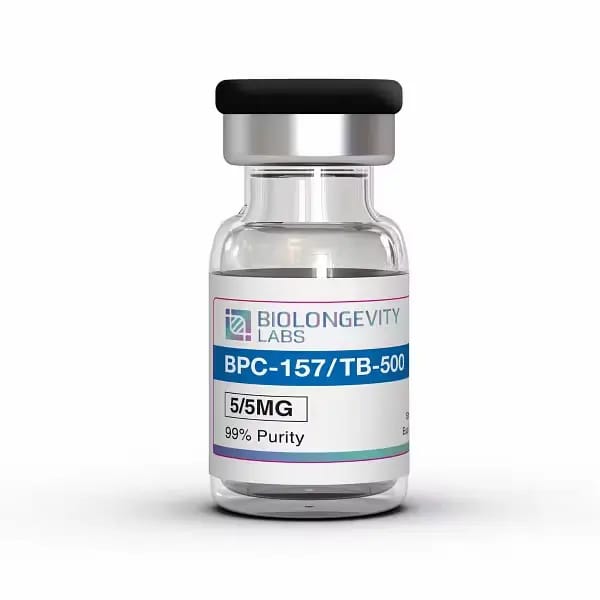
If you are sourcing these compounds for research purposes, vendor quality is a legitimate variable. BioLongevity Labs publishes third-party testing documentation and maintains quality verification standards consistent with what serious researchers should be looking for. Use PROBIO15 for 15% off |



Project Biohacking Resources
Some links may be affiliate links; I may earn a small commission at no extra cost to you. I only recommend vendors I use and trust, Biolongevity Labs!



👇🏻Supplements Affiliates👇🏻
Your body isn't broken — it's just been starved of the right nutrients. Clive de Carle's complete line of natural health essentials gives it exactly what it needs.
👇🏻Lab Affiliatess👇🏻


Guides
From Around The Web
🔚 Outro & Final Thoughts
The research on BPC-157 and TB-500 is some of the more compelling preclinical work in the peptide space right now. The mechanistic rationale is sound, the literature is growing, and researchers who understand both compounds are asking better questions than ever. That is a good place to be.
Until next time, stay ahead of your age!
– Jeff
Founder, Project Biohacking
Affiliate & Earnings Disclosure
Project Biohacking participates in affiliate partnerships with select peptide vendors. When you make purchases through the links provided in this newsletter or use discount code PROBIO15, I may receive a commission at no extra cost to you.
These affiliate relationships do not influence my recommendations, I only promote products and vendors I personally use, have researched thoroughly, and believe provide value to the biohacking community. All opinions expressed are my own based on personal experience and research.
Your support through these affiliate links helps fund the research, testing, and content creation that makes Project Biohacking possible.
Disclaimer: I’m here to share what I’ve learned, not to replace your doctor. Always check with a qualified healthcare provider before trying anything new. And yes, peptides are often for research use only; please don’t turn your kitchen into a chemistry lab without supervision.